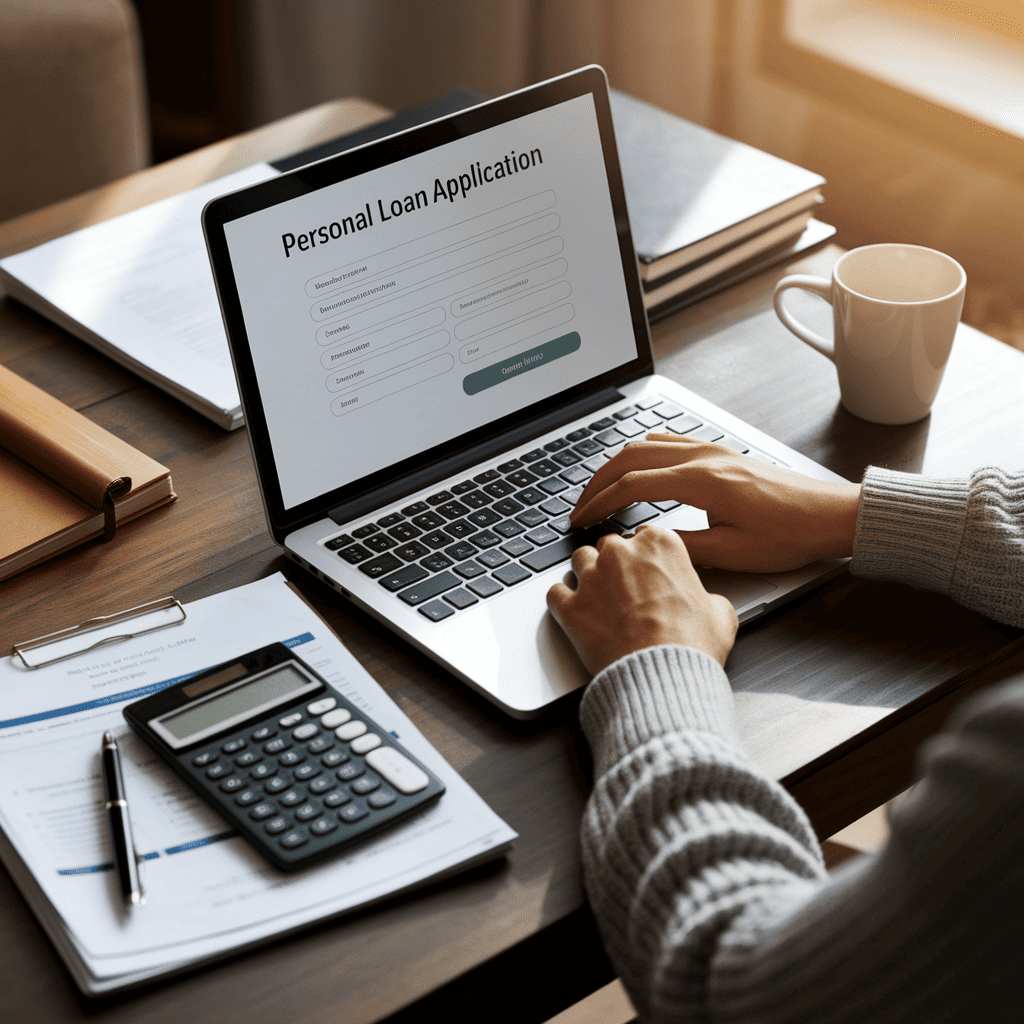
When you’re ready to borrow money, a personal loan can be a fantastic tool for consolidating debt, financing a large purchase, or covering an unexpected expense. But as you start comparing lenders, you’ll quickly face a critical decision that will shape your entire borrowing experience: choosing between a fixed-rate and a variable-rate loan.
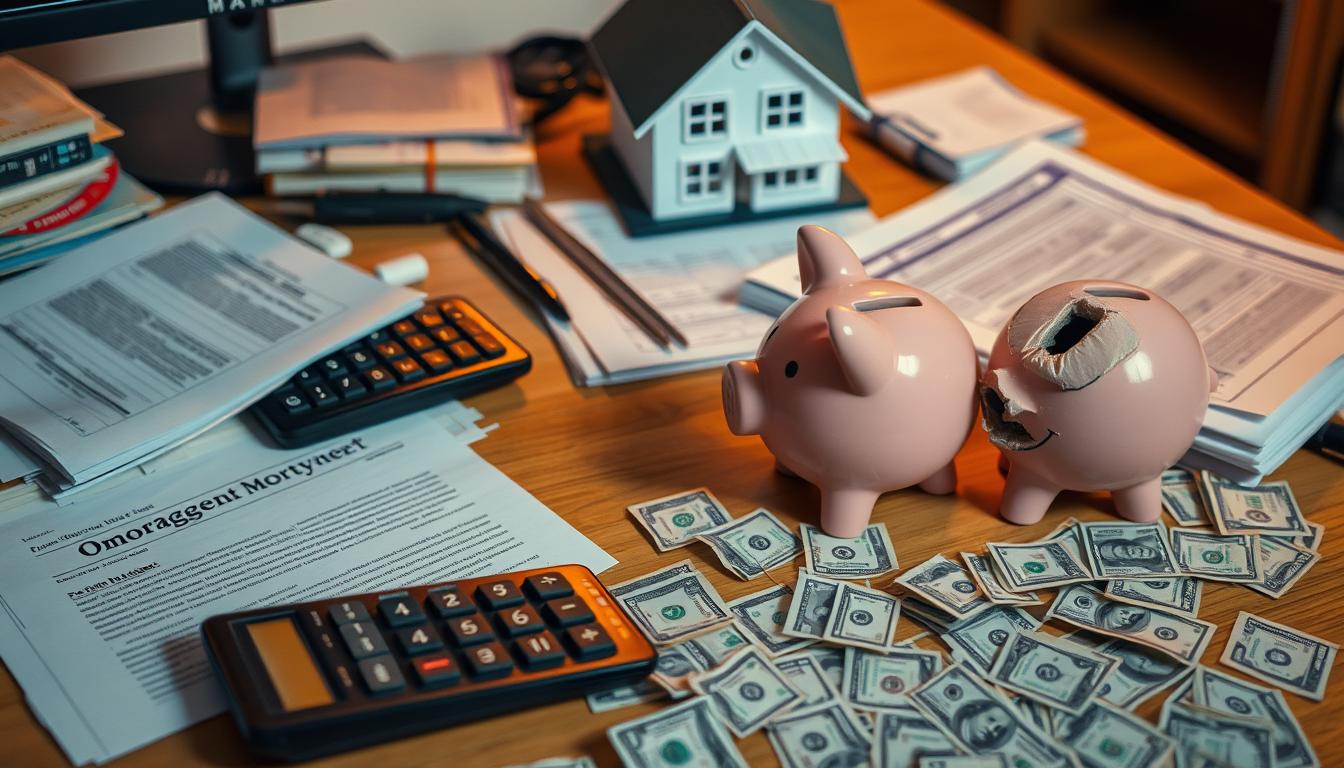
This isn’t just a minor detail; it’s a choice that directly impacts your monthly budget and the total amount of interest you’ll pay over the life of the loan. Understanding the fundamental differences, pros, and cons of each is the first step toward making a confident and financially sound decision.
Understanding the Core Concept: Loan Interest Rates
Before diving into the “fixed vs. variable” debate, it’s essential to grasp what an interest rate is. The Annual Percentage Rate (APR) on a loan represents the cost of borrowing money over a year, including interest and some fees. With a personal loan, the APR is applied to your outstanding balance. The key difference between these two loan types is how that APR behaves over time.
A fixed rate remains constant, locked in from the day you sign the loan agreement until your final payment. A variable rate, as the name implies, can fluctuate, changing with the broader economic landscape. This single distinction creates two very different borrowing paths.
A Closer Look at Fixed-Rate Personal Loans
Fixed-rate personal loans are the most common type for a reason: they offer simplicity and predictability. When you take out this type of loan, the lender guarantees that your interest rate will never change.

What Defines a Fixed-Rate Loan?
With a fixed-rate loan, your monthly payment is identical every single month for the entire loan term. If you borrow $10,000 for five years at a 9% fixed APR, your payment will be the same for all 60 months. This consistency makes them incredibly easy to manage and budget for.
The Advantages of Stability
- Predictable Budgeting: This is the biggest selling point. You know exactly how much you need to set aside for your loan payment each month, eliminating any financial surprises. This makes long-term financial planning much simpler.
- Protection from Rising Rates: If market interest rates climb after you’ve secured your loan, it doesn’t affect you. You are locked into your lower rate, protecting you from increased borrowing costs.
- Simplicity and Transparency: Fixed-rate loans are straightforward. It’s easy to compare offers from different lenders because the rate you see is the rate you get for the life of the loan.
The Potential Downsides
- Potentially Higher Starting APR: Lenders take on the risk that market rates might rise. To compensate for this risk, they often offer a slightly higher initial APR on fixed-rate loans compared to the starting rate on a variable-rate loan.
- No Benefit from Falling Rates: If market rates drop significantly, you’re stuck with your original, higher rate. Your only option to take advantage of lower rates would be to go through the process of refinancing the loan.
Exploring the World of Variable-Rate Personal Loans
Variable-rate personal loans, while less common, offer a different kind of opportunity tied to a different level of risk. Their interest rates are not set in stone but are instead tied to a financial benchmark or index.
How Do Variable-Rate Loans Work?
A variable-rate loan’s APR is composed of two parts: the benchmark index rate (like the U.S. Prime Rate) and a margin set by the lender. For example, your rate might be “Prime + 5%.” If the Prime Rate goes up, your APR and monthly payment will also go up. Conversely, if the Prime Rate falls, your payment will decrease. These adjustments typically happen at set intervals, such as quarterly or annually.
The Allure of a Lower Initial Rate
- Lower Starting Payments: Lenders often entice borrowers with an introductory APR that is lower than what’s available for fixed-rate loans. This can make your initial monthly payments more affordable.
- Potential for Future Savings: The main appeal is the chance to save money. If the benchmark index your loan is tied to falls, you’ll benefit directly through lower interest charges and smaller payments.
The Inherent Risks and Disadvantages
- Unpredictability and Risk: The biggest drawback is the uncertainty. A rising interest rate environment could cause your monthly payments to increase significantly, potentially straining your budget or making the loan unaffordable.
- Difficult to Budget: The fluctuating nature of the payments makes long-term budgeting a challenge. You can’t be certain what your payment will be in a year or two.
- Complexity: These loans often come with terms like “rate caps” (the maximum rate you can be charged) and “floors” (the minimum). Understanding these complex terms is crucial before signing.
Head-to-Head Comparison: A Quick Summary
To make the choice clearer, here’s a direct comparison of the key features of each loan type.
| Feature | Fixed-Rate Loan | Variable-Rate Loan |
|---|---|---|
| Interest Rate | Locked in for the entire loan term. | Fluctuates based on a market index. |
| Monthly Payment | Stays the same every month. | Can increase or decrease over time. |
| Risk Level | Low. You are protected from rate hikes. | High. Your payments could rise significantly. |
| Best For… | Borrowers who value stability, have a tight budget, and prefer predictable payments. | Borrowers with a high-risk tolerance who can afford higher payments and expect rates to fall. |
How to Choose the Right Loan for Your Situation
The decision ultimately comes down to a personal assessment of your finances, risk tolerance, and outlook on the economy. Here are the key factors to consider.
Evaluate Your Personal Risk Tolerance
Are you the type of person who loses sleep over financial uncertainty? If so, a fixed-rate loan is almost certainly the right choice for you. The peace of mind that comes with a predictable payment is invaluable. If you have a solid financial cushion and are comfortable with the risk for a potential reward, a variable rate might be on the table.
Analyze the Current Economic Climate
Pay attention to financial news. Are economists and the Federal Reserve signaling that interest rates are likely to rise in the coming years? If so, locking in a fixed rate now is a smart move to protect yourself from future increases. If the outlook suggests rates will hold steady or fall, a variable rate becomes more appealing.
Consider Your Loan Term and Financial Stability
The longer the loan term, the more time there is for market rates to fluctuate. For a long-term loan (e.g., five years or more), a fixed rate offers more security against the unknown. For a very short-term loan (a year or two), the risk of a variable rate is somewhat mitigated. Most importantly, be honest about your budget. Can you comfortably absorb a 20%, 30%, or even 50% increase in your monthly payment? If the answer is no, stick with a fixed rate. To get a clear picture of potential costs, it’s wise to use a personal loan calculator to model different scenarios. Learning about common personal loan mistakes can also save you money and stress. Ultimately, knowing how to shop for a loan effectively is your best defense.
Frequently Asked Questions (FAQ)
Can I switch from a variable-rate to a fixed-rate loan later?
Generally, you cannot switch your rate type with the same lender mid-loan. Your primary option would be to refinance the personal loan. This involves taking out a new fixed-rate loan to pay off the existing variable-rate one. This is only a good option if you can qualify for a favorable rate and the fees don’t outweigh the benefits.
Are variable-rate personal loans very common?
They are much less common for personal loans than for other products like mortgages and home equity lines of credit (HELOCs). Many lenders, especially online fintech companies and credit unions, only offer fixed-rate personal loans due to their simplicity and popularity.
What is the U.S. Prime Rate?
The U.S. Prime Rate is an interest rate used by banks as a benchmark for many types of loans. It is heavily influenced by the federal funds rate, which is set by the Federal Reserve. When you hear news about “the Fed raising rates,” it almost always means the Prime Rate will rise as well, impacting variable-rate loans.
The Final Verdict: Stability or Opportunity?
The choice between a fixed and variable-rate personal loan is a classic battle of stability versus opportunity. There is no single “best” answer—only the best answer for you.
For the vast majority of borrowers, a fixed-rate personal loan is the safer and more prudent choice. It provides a clear, predictable path to paying off your debt without any unwelcome surprises. A variable-rate loan should only be considered by financially savvy borrowers with a high tolerance for risk and a strong belief that interest rates are headed downward. Before you decide, carefully evaluate your own financial situation, compare offers from multiple lenders, and choose the path that lets you borrow with confidence.