Navigating the world of personal loans can feel overwhelming, but finding the right one is a crucial step toward achieving your financial goals. Whether you’re looking to consolidate high-interest debt, fund a major home renovation, or cover an unexpected expense, a personal loan offers a structured way to get the cash you need.
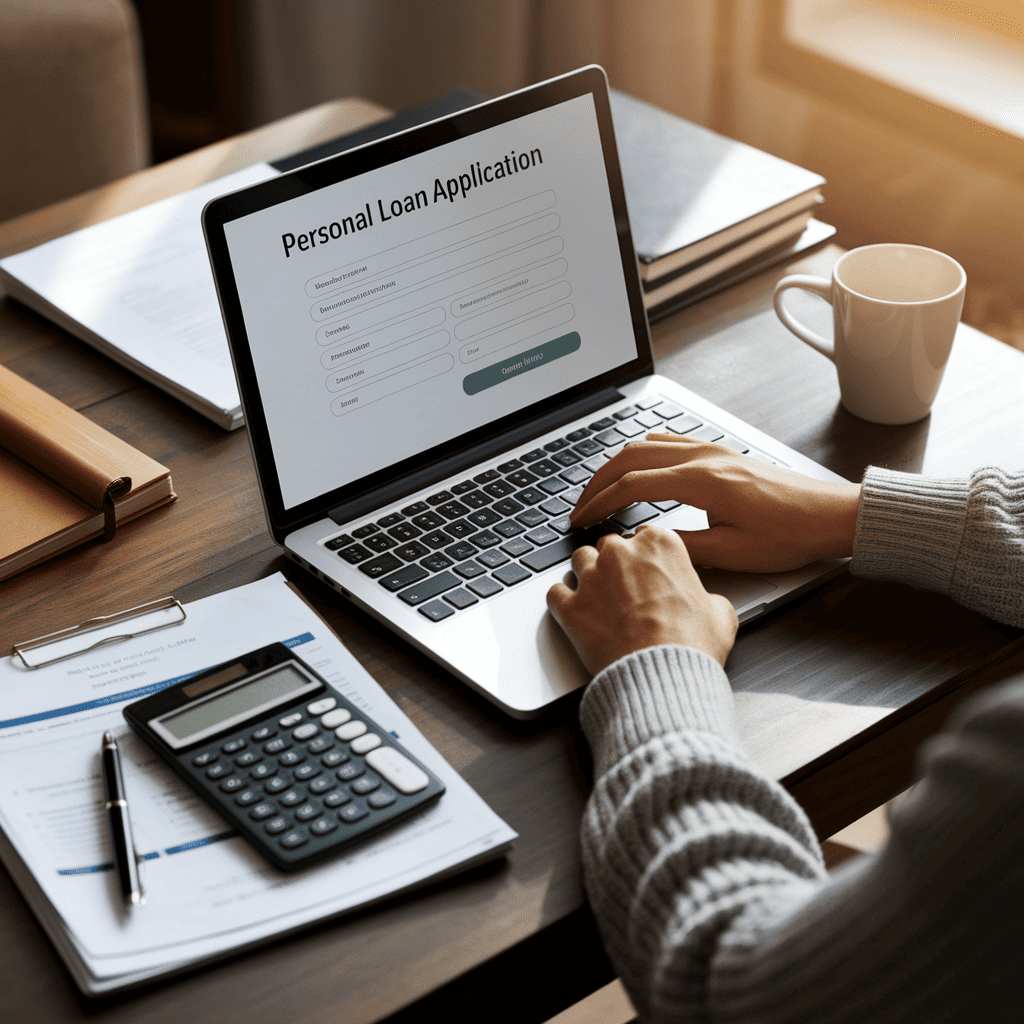
The key to unlocking the most value lies not just in getting approved, but in securing the lowest possible rate. A small difference in the Annual Percentage Rate (APR) can save you hundreds or even thousands of dollars over the life of the loan. Fortunately, the digital age has made it easier than ever to vet multiple lenders from the comfort of your home, ensuring you find the most competitive offer for your unique financial situation.
Understanding the Core of Personal Loan Rates
Before you start comparing lenders, it’s essential to grasp the fundamental concepts that determine the cost of borrowing. A clear understanding of these terms will empower you to look beyond the marketing and focus on what truly matters.
What is APR and Why Is It the Most Important Number?
You will see two key terms when looking at loans: interest rate and Annual Percentage Rate (APR). The interest rate is simply the cost of borrowing the principal amount. The APR, however, is the all-encompassing figure you should focus on. It represents the total annual cost of the loan, including the interest rate plus any additional lender fees, such as origination fees or closing costs. Because it provides a more complete picture, comparing the APR from different lenders is the most accurate way to see which loan is truly the cheapest.
Fixed vs. Variable Rates: What’s the Difference?
Personal loans typically come with one of two types of interest rates:

- Fixed Rates: The interest rate is locked in for the entire duration of the loan. This means your monthly payment will never change, making it easy to budget and providing protection against future market rate increases. The vast majority of personal loans offer fixed rates.
- Variable Rates: The interest rate can fluctuate over the life of the loan based on changes in a benchmark index rate. While a variable rate might start lower than a fixed rate, it carries the risk of increasing, which would also increase your monthly payment.
What Factors Influence the Rate You’re Offered?
Lenders don’t just pick a rate out of thin air. They use a sophisticated risk assessment model to determine the likelihood that you’ll pay back the loan. Several key factors heavily influence the APR you’ll receive.
The Power of Your Credit Score
Your credit score is arguably the most significant factor. It’s a numerical representation of your creditworthiness. Lenders use it to predict risk, and they reward higher scores with lower interest rates. Here’s a general idea of what to expect:
- Excellent Credit (720-850): You’ll have access to the most competitive rates and a wider selection of lenders.
- Good Credit (690-719): You can still qualify for very good rates from many online lenders and traditional banks.
- Fair Credit (630-689): You have options, but your rates will be higher. You may need to shop around more to find a good deal.
- Bad Credit (Below 630): Qualifying will be more challenging, and the rates offered will be significantly higher to compensate for the lender’s increased risk.
Debt-to-Income (DTI) Ratio
Your DTI ratio compares your total monthly debt payments (including your potential new loan payment) to your gross monthly income. A lower DTI (typically under 40%) signals to lenders that you have enough disposable income to comfortably handle a new loan payment, making you a less risky borrower.
Loan Term and Amount
The length of your loan (the term) also plays a role. Longer terms often come with slightly higher interest rates because they represent a longer period of risk for the lender. While a longer term will result in a lower monthly payment, you’ll end up paying more in total interest over the life of the loan.

How to Compare Lenders Online the Smart Way
With a solid understanding of the basics, you’re ready to start the comparison process. The goal is to see multiple offers without negatively impacting your credit score.
Start with Pre-Qualification
The single most valuable tool in your arsenal is pre-qualification. Nearly all reputable online lenders offer a quick pre-qualification process that asks for basic financial information. In return, they provide a conditional loan offer, including a potential APR, loan amount, and term. This process uses a “soft” credit inquiry, which does not affect your credit score. You can pre-qualify with several lenders in one sitting to easily compare real-world offers.
A Comparative Glance at Online Lenders
The online lending market is competitive, which is great for borrowers. Different lenders cater to different needs. Below is a table to give you an idea of what some popular lenders offer. Note that rates and terms are subject to change and depend on your creditworthiness.
| Lender | Best For | Typical APR Range | Loan Amounts |
|---|---|---|---|
| SoFi | Good-to-Excellent Credit, No Fees | 8.99% – 25.81% (with autopay) | $5,000 – $100,000 |
| LightStream | Excellent Credit, Large Loans | 6.99% – 25.49% (with autopay) | $5,000 – $100,000 |
| Upstart | Fair Credit, Uses AI for Approval | 7.80% – 35.99% | $1,000 – $50,000 |
| Marcus by Goldman Sachs | Good Credit, Debt Consolidation | 6.99% – 24.99% | $3,500 – $40,000 |
Your Step-by-Step Guide to Getting a Loan
Once you’ve done your research, the application process is straightforward. Following these steps will ensure a smooth experience from start to finish.
- Define Your Need: Calculate exactly how much money you need to borrow and for what purpose. Avoid borrowing more than necessary.
- Check Your Credit Report: Get a free copy of your credit report from the major bureaus to check for errors and see where you stand.
- Gather Your Documents: Lenders will typically ask for proof of identity (like a driver’s license), proof of income (pay stubs or tax returns), and bank statements.
- Compare Pre-Qualified Offers: Use the information from your pre-qualifications to choose the lender offering the best combination of a low APR, suitable term, and minimal fees.
- Formally Submit Your Application: After choosing the best offer, you’ll complete the full application. This step will trigger a “hard” credit inquiry, which can temporarily dip your score by a few points. It’s crucial to only do this once you’re serious about an offer. You can learn more about how to get a personal loan and what the full process entails.
- Review and Sign: Carefully read the final loan agreement before signing. Once you sign and are approved, the funds are typically deposited into your bank account within a few business days.
Common Pitfalls to Avoid
Shopping for a loan can be tricky. Being aware of common mistakes can help you secure a better deal and avoid future financial stress. Your diligence in finding the best personal loans available is your greatest asset.
- Focusing Only on the Monthly Payment: A low monthly payment might be tempting, but it could be due to a very long loan term, meaning you’ll pay much more in interest over time. Always prioritize the lowest APR.
- Ignoring Fees: Be on the lookout for origination fees (a percentage of the loan amount deducted from your funds) and prepayment penalties (a fee for paying off the loan early).
- Skipping the Comparison Step: Accepting the first offer you receive, perhaps from your primary bank, is a common mistake. Online lenders are highly competitive and often provide better rates.
Frequently Asked Questions (FAQ)
Here are answers to some common questions about personal loans.
What is a good personal loan rate?
A “good” rate is relative and depends heavily on your credit score and current market conditions. As of late 2023 and early 2024, borrowers with excellent credit could find rates below 10%, while those with fair credit might see rates in the 15-25% range or higher.
Can I get a personal loan with bad credit?
Yes, it is possible. Some lenders specialize in lending to individuals with poor or fair credit. However, you must be prepared for a much higher APR and potentially smaller loan amounts. Improving your credit score before applying is always the best strategy.
What is an unsecured personal loan?
Most personal loans are unsecured, which means they are not backed by any collateral like a house or a car. The lender approves the loan based solely on your creditworthiness. If you’d like a deeper explanation of what a personal loan is and how it works, resources are available to provide more detail.
Taking the time to compare personal loan rates online is a financial decision that pays for itself. By understanding the factors that influence your rate, leveraging pre-qualification tools, and carefully vetting lenders, you put yourself in the driver’s seat. This diligence ensures you secure the funding you need on terms that support, rather than strain, your long-term financial health.